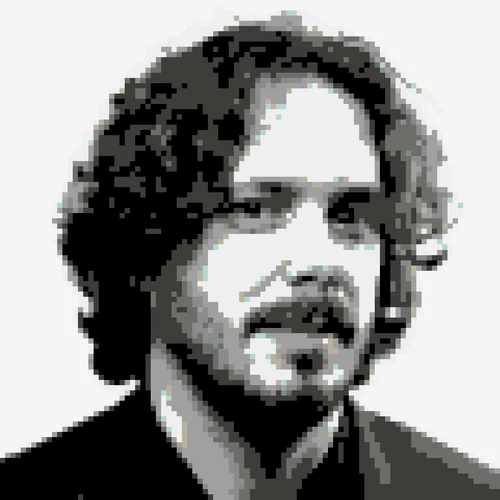
Edgar Wright, né le 18 avril 1974 à Poole, dans le Dorset (Angleterre), est un réalisateur, scénariste et producteur britannique actif depuis la fin des années 1990. Repéré grâce à la série culte Spaced, il s’est imposé comme une figure singulière du cinéma de genre britannique puis hollywoodien, reconnu pour un style visuel kinétique, une écriture comique précise et un montage rythmé nourri de musique populaire. Sa trilogie dite « Cornetto », coécrite avec Simon Pegg, reste au cœur de son identité de cinéaste.
Passionné de cinéma dès l’enfance, Edgar Wright réalise ses premiers courts métrages en Super 8 avant de tourner, à vingt ans, son premier long métrage, la comédie à petit budget A Fistful of Fingers (1995). Cette expérience lui ouvre les portes de la télévision, où il réalise plusieurs séries comiques britanniques. Sa rencontre en 1998 avec le comédien et scénariste Simon Pegg marque un tournant : ensemble, ils créent Spaced (1999-2001), diffusée sur Channel 4, qui devient rapidement une série culte saluée pour son style visuel. Fort de ce succès, Wright réunit l’équipe de la série pour Shaun of the Dead (2004), comédie horrifique coécrite avec Pegg, qui lance véritablement sa carrière cinématographique. Il enchaîne avec Hot Fuzz (2007), comédie policière à plus gros budget, puis Scott Pilgrim (2010), son premier film sans Pegg ni Frost, qui lui ouvre des collaborations hollywoodiennes, notamment l’écriture des Aventures de Tintin pour Steven Spielberg. Il se retire ensuite du projet Marvel Ant-Man, qu’il développait depuis plus de dix ans, en raison de divergences artistiques avec le studio.
Le style d’Edgar Wright repose sur un montage rapide et expressif, un usage marqué de la musique populaire, des mouvements de caméra travaillés (travellings en Steadicam, dolly zooms) et une signature visuelle faite de transitions et de fondus enchaînés distinctifs. Il puise ses influences dans le cinéma de genre, le western et l’horreur, qu’il conjugue à un humour britannique pince-sans-rire.
Sa filmographie s’articule notamment autour de la trilogie « Blood and Ice Cream », composée de Shaun of the Dead (2004), Hot Fuzz (2007) et Le Dernier Pub avant la fin du monde (2013), qui installe Wright comme une référence de la comédie de genre britannique. Scott Pilgrim (2010), adaptation du roman graphique de Bryan Lee O’Malley, connaît un succès critique malgré un accueil commercial plus modeste, avant de devenir culte. Baby Driver (2017), film d’action porté par Ansel Elgort, confirme sa reconnaissance internationale et son goût pour la mise en scène musicale du mouvement. Il réalise également le documentaire The Sparks Brothers (2021), présenté au festival de Sundance, puis le thriller psychologique Last Night in Soho (2021). En 2025 sort Running Man, adaptation du roman de Stephen King portée par un budget inédit dans sa carrière. Wright a par ailleurs été récompensé d’un Empire Award du meilleur réalisateur pour Hot Fuzz et a siégé au jury de la Mostra de Venise en 2017, confirmant son statut de cinéaste reconnu tant par la critique que par ses pairs.
Edgar Wright, born 18 April 1974 in Poole, Dorset (England), is a British director, screenwriter and producer active since the late 1990s. First noticed through the cult series Spaced, he established himself as a distinctive figure in British and later Hollywood genre cinema, known for a kinetic visual style, precise comic writing and rhythmic editing built around popular music. His so-called "Cornetto" trilogy, co-written with Simon Pegg, remains central to his identity as a filmmaker.
A film enthusiast from childhood, Edgar Wright made his early short films on Super 8 before directing, at twenty, his first feature, the low-budget comedy A Fistful of Fingers (1995). This experience opened the door to television, where he directed several British comedy series. His meeting with actor and writer Simon Pegg in 1998 proved decisive: together they created Spaced (1999-2001), broadcast on Channel 4, which quickly became a cult series praised for its visual style. Building on this success, Wright reunited the show's team for Shaun of the Dead (2004), a horror comedy co-written with Pegg, which truly launched his film career. He followed with Hot Fuzz (2007), a bigger-budget police comedy, then Scott Pilgrim (2010), his first film without Pegg or Frost, which opened the way to Hollywood collaborations, including co-writing The Adventures of Tintin for Steven Spielberg. He later stepped away from Marvel's Ant-Man, which he had developed for over a decade, citing creative differences with the studio.
Edgar Wright's style rests on fast, expressive editing, a strong use of popular music, elaborate camera work (Steadicam tracking shots, dolly zooms), and a distinctive visual signature built on transitions and wipes. He draws on genre cinema, westerns and horror, blended with a dry British sense of humor.
His filmography centers notably on the "Blood and Ice Cream" trilogy, comprising Shaun of the Dead (2004), Hot Fuzz (2007) and The World's End (2013), which established Wright as a reference point in British genre comedy. Scott Pilgrim vs. the World (2010), an adaptation of Bryan Lee O'Malley's graphic novel, was a critical success despite a more modest box office, before achieving cult status. Baby Driver (2017), an action film led by Ansel Elgort, confirmed his international recognition and his taste for staging movement through music. He also directed the documentary The Sparks Brothers (2021), presented at the Sundance Film Festival, followed by the psychological thriller Last Night in Soho (2021). Running Man, an adaptation of the Stephen King novel carrying the largest budget of his career, was released in 2025. Wright has also received an Empire Award for Best Director for Hot Fuzz and served on the jury of the Venice Film Festival in 2017, confirming his standing as a filmmaker respected by both critics and peers.