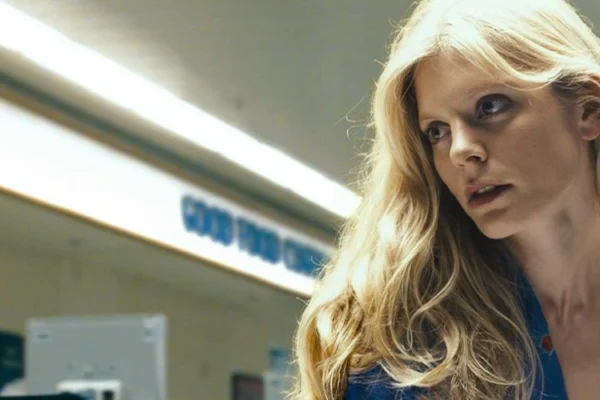
Réalisé par John Patton Ford et distribué par A24, How to Make a Killing est une comédie noire teintée de thriller sorti aux États-Unis le 20 février 2026, puis en France le 25 mars 2026. Le film s’inspire librement de Noblesse oblige (1949), la comédie britannique culte de Robert Hamer, en transposant sa mécanique d’héritier meurtrier dans une Amérique contemporaine obsédée par la richesse et le mérite.
Glen Powell incarne Becket Redfellow, un homme élevé dans la pauvreté malgré ses origines aristocratiques, qui va prendre des mesures radicales pour récupérer ce qu’il considère comme son dû. Le film explore avec un humour grinçant les thèmes de la lutte des classes, de l’ambition et de la légitimité sociale, avec un casting solide incluant Margaret Qualley, Jessica Henwick et Ed Harris.
Résumé
How to Make a Killing s’ouvre dans le couloir de la mort : Becket Redfellow, condamné pour meurtre, raconte au prêtre qui l’accompagne comment il en est arrivé là.
Enfant illégitime d’une mère bannie de la prospère famille Redfellow pour avoir refusé d’avorter, Becket grandit dans la précarité, hanté par l’injustice de sa situation. Sa mère lui inculque une conviction tenace : il mérite la vie que cette famille lui a volée. Devenu adulte, après une rétrogradation humiliante dans son emploi de vendeur et la déception de retrouver son amie d’enfance Julia mariée à un homme fortuné, Becket décide d’agir. Son plan : éliminer un à un les membres de la famille Redfellow pour hériter seul de la fortune familiale.
Au fil des meurtres soigneusement orchestrés, Becket gravit paradoxalement les échelons sociaux grâce à la firme de son oncle Warren et noue une relation sincère avec Ruth, la petite amie de l’un de ses cousins. Mais plus il approche de son objectif, plus il se retrouve pris dans ses propres contradictions : l’affection qu’il développe pour Warren le pousse à renoncer, avant que les événements ne le rattrapent.
Le film joue sur le registre de la comédie noire pour ausculter l’hypocrisie des élites et questionner la notion même de mérite. La mécanique du récit, empruntée au modèle de Noblesse oblige, installe une distance ironique entre le spectateur et les actes du protagoniste, rendant le tout aussi drôle que dérangeant.
Fiche technique
- Réalisation : John Patton Ford
- Scénario : John Patton Ford (inspiré de Noblesse oblige, 1949, de Robert Hamer et John Dighton)
- Genre : Comédie noire, thriller
- Pays d’origine : États-Unis
- Langue : Anglais
- Durée : 105 minutes
- Date de sortie : mars 2026
Casting
- Glen Powell : Becket Redfellow dans How to Make a Killing, l’héritier déshérité dont les ambitions assassines structurent tout le récit.
- Margaret Qualley : Julia Steinway, amie d’enfance de Becket devenue un personnage ambigu et central dans le dénouement.
- Jessica Henwick : Ruth, compagne de l’un des cousins Redfellow, qui devient la relation amoureuse principale de Becket.
- Ed Harris : Whitelaw Redfellow, le patriarche de la famille, dont la scène finale avec Becket constitue un pivot dramatique majeur.
- Bill Camp : Warren Redfellow, oncle de Becket et figure paternelle inattendue au sein de l’entreprise familiale.
Autour du film
Le scénario de John Patton Ford figure sur la prestigieuse Black List de 2014 — liste annuelle des meilleurs scripts non produits à Hollywood — sous le titre Rothchild. Le projet a ensuite connu plusieurs reformulations : en 2019, Jon S. Baird devait le réaliser avec Shia LaBeouf et Mel Gibson dans les rôles principaux. Le développement a repris en mars 2023, cette fois sous la direction de Ford lui-même, avec un nouveau titre de travail, Huntington. C’est finalement en novembre 2025, à quelques mois de la sortie, que Glen Powell a annoncé au Hollywood Reporter un ultime changement de titre, révélé peu après : How to Make a Killing.
Le film a été entièrement tourné au Cap (Afrique du Sud), mobilisant plusieurs centaines de techniciens, figurants et acteurs locaux. Ce choix de production, probablement motivé par des raisons budgétaires, n’a pas empêché le film de viser une esthétique soignée, saluée par plusieurs critiques malgré des réserves sur le fond.
À sa sortie américaine, How to Make a Killing a reçu des critiques partagées. Sur Rotten Tomatoes, le film affiche 44 % d’avis positifs sur la base de 182 critiques, avec un consensus soulignant un ton « bizarrement décalé » et un manque de cohérence narrative. Sur Metacritic, il obtient un score de 51/100 (35 critiques), signe de réceptions très disparates. Certains ont salué le charisme de Glen Powell et la mise en scène élégante ; d’autres ont regretté que le film ne choisisse pas vraiment entre satire sociale et thriller efficace.
FAQ
- Où voir How to Make a Killing en France ? How to Make a Killing est sorti en salles en France le 25 mars 2026, distribué par StudioCanal. Une disponibilité en VOD ou sur plateformes de streaming n’a pas encore été annoncée officiellement à ce jour.
- De quel film How to Make a Killing s’inspire-t-il ? Le film est librement inspiré de Noblesse oblige (Kind Hearts and Coronets, 1949), comédie noire britannique de Robert Hamer dans laquelle un héritier déshérité élimine méthodiquement les membres de sa famille pour récupérer un titre de noblesse. John Patton Ford en transpose la mécanique dans un contexte américain contemporain.
- Quel est le bilan critique de How to Make a Killing ? Le film a reçu des avis mitigés : 44 % sur Rotten Tomatoes et 51/100 sur Metacritic. Si la prestation de Glen Powell et la réalisation de Ford ont été soulignées, plusieurs critiques ont reproché au film une tonalité instable et un propos sur les inégalités sociales insuffisamment abouti.